





Pea protein benefits explain why it has become one of the most common plant-based proteins in protein powders. Producers extract it from yellow peas, and it gives athletes, vegans and anyone avoiding dairy a protein source with a small environmental footprint. This guide covers what pea protein powder contains, how your body handles it and how it compares with whey.
Pea Protein and Sustainability: An Eco-Friendly Choice
Peas are legumes, so they fix nitrogen and add it to the soil. Farmers who grow them need less synthetic fertiliser. Producing plant protein also takes less water and land than producing most animal protein, which gives pea protein powder a lower environmental footprint than most animal-based powders.
Pea Protein Nutritional Benefits: A Complete Protein Source
Pea protein contains all nine essential amino acids, which your body cannot make on its own. Those amino acids support muscle repair, immune function and tissue maintenance. Pea protein runs lower in methionine than whey, so many powders pair it with other plant proteins such as rice or hemp to round out the profile.
Pea protein is naturally free from gluten and dairy, which suits people with those dietary restrictions. It also tends to supply iron, though the amount varies by brand.
Pea Protein for Gut Health and Easy Digestibility
Your gut microbiome influences digestion and immune function. Whole peas contain fibre that feeds beneficial gut bacteria, but most pea protein powders are isolates, and manufacturers remove most of the fibre during processing. Read the label if fibre matters to you.
Most people digest pea protein well, though some notice gas or bloating at first. Pea protein contains no lactose, which suits people who react to dairy. If you are new to protein powders, start with half a serving and build up over a week. The guide to protein powder for digestive health covers this in more detail.
Pea Protein for Muscle Building and Weight Management
Some trials comparing pea protein with whey found similar gains in muscle thickness when participants trained consistently and matched their protein intake. The studies are small and short, but the results back pea protein as a credible option for training. Protein also keeps you full for longer, so a daily serving can help with weight management alongside a balanced diet.
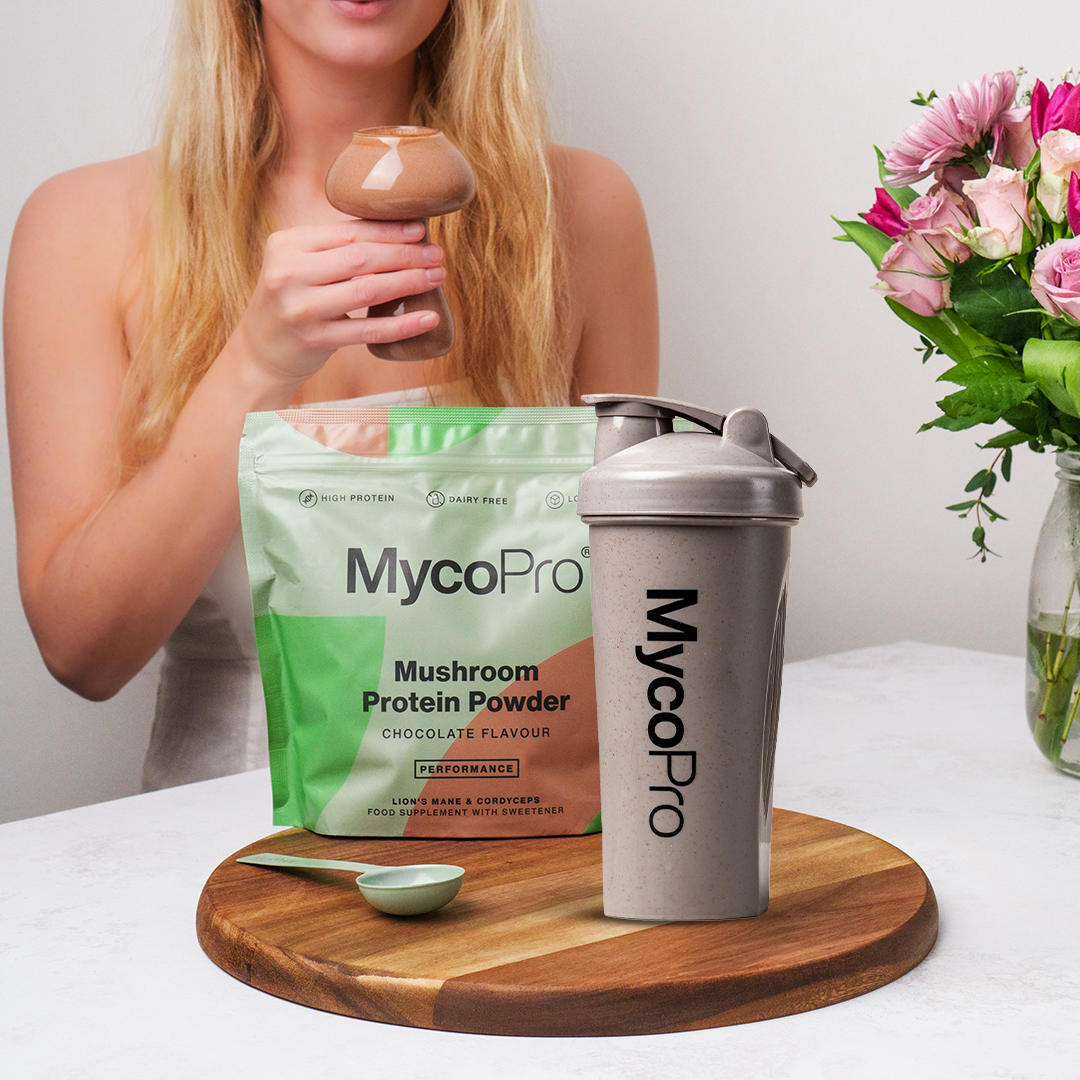
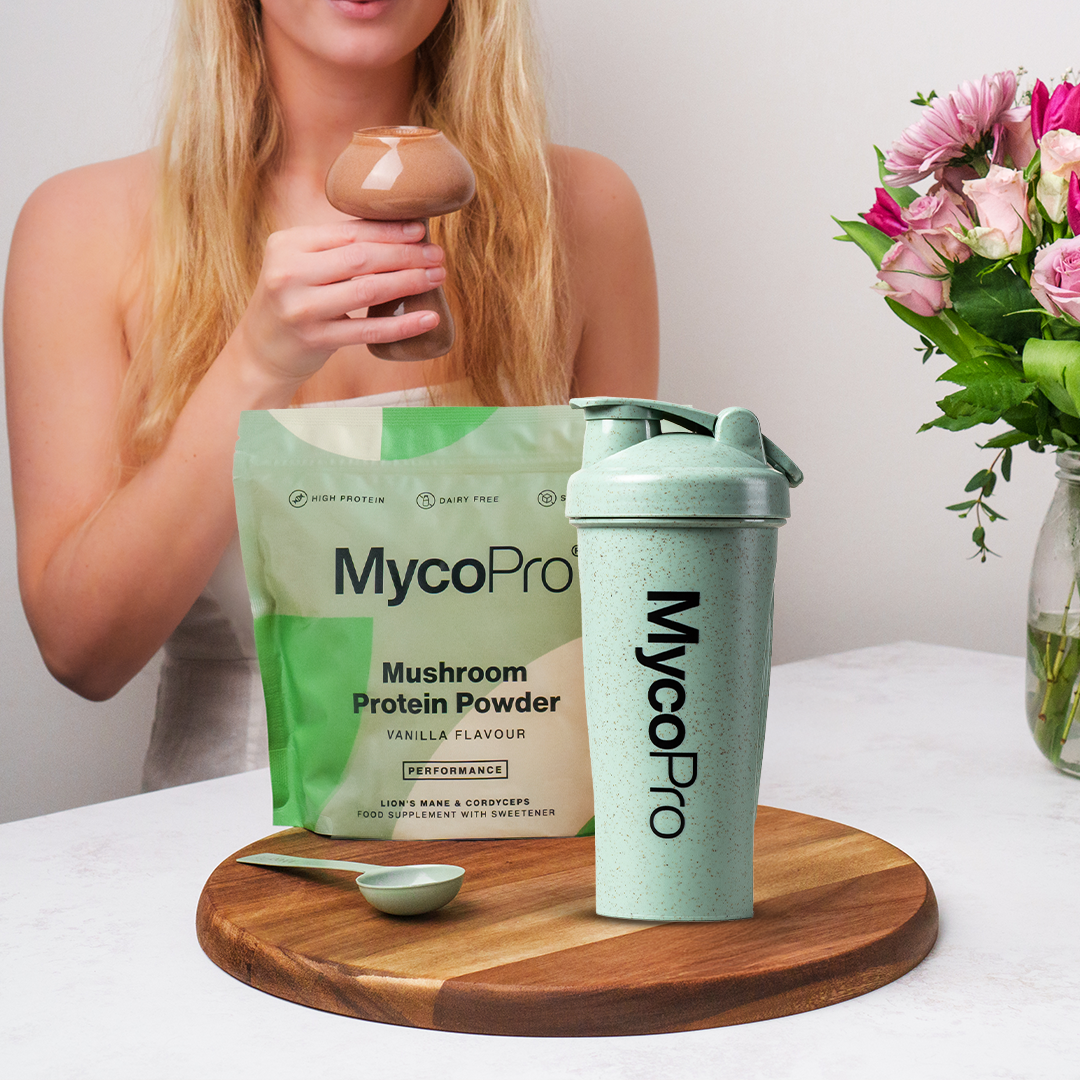
MycoPro blends pea protein with hemp and fava bean protein, and each scoop adds 1,600mg of Lion’s Mane and Cordyceps, two functional mushrooms in a powder you can use after training.
Pea Protein for Heart Health and Blood Sugar Control
Animal studies and limited human research suggest pea protein may help lower LDL cholesterol. The evidence is early, and it works best alongside a diet low in saturated fat. Researchers have also looked at how pea protein affects blood sugar after meals, though results so far are limited.
If you manage diabetes or high cholesterol, speak to your doctor before you change your diet or add a supplement.
How to Use Pea Protein Powder in Your Daily Routine
Pea protein powder has a mild, slightly earthy flavour. It blends into smoothies, oatmeal, pancakes and muffins, and it works in soups and stews. Add a scoop to a post-workout shake or stir it into a savoury dish for extra protein.
MycoPro Protein Powder makes daily use simple. Each 30g serving gives you 20 grams of plant protein from pea, hemp and fava bean, plus 1,600mg of Lion’s Mane and Cordyceps. It mixes into a shake, a smoothie or a bowl of oats.
Frequently Asked Questions About Pea Protein
Is pea protein as good as whey protein for muscle building?
For most people, yes. Some trials show pea protein produces muscle gains similar to whey when training and total protein intake match. Whey contains more leucine per gram, so you may need a slightly larger serving of pea protein to match it. People with lactose sensitivity often find pea protein easier on the stomach.
Is pea protein powder suitable for people with allergies?
Pea protein is naturally free from gluten and dairy, so it suits most people with those allergies or intolerances. Peas are legumes, so anyone with a pea or legume allergy should avoid it. Check the label for other allergens, since some products are made in facilities that also handle soy, nuts or milk.
Can I use pea protein powder every day?
Yes. Most adults can use pea protein powder daily as part of a balanced diet, and one to two servings fits most routines. Speak to your doctor first if you have kidney problems, since high protein intake can affect kidney function.
Pea protein gives you a sustainable, dairy-free source of all nine essential amino acids, with early evidence for muscle, gut and heart benefits. A good powder pairs it with other plant proteins and keeps the ingredient list short. MycoPro does both and adds functional mushrooms to every serving.